- Used Computers Monitors Deals
- sku: 8453364954103883
- EDWARDS LIFESCIENCE TPAB796589
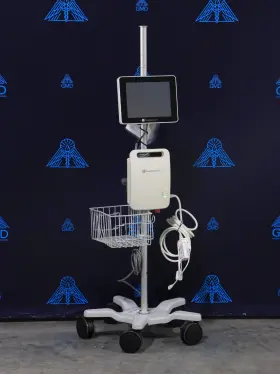
TPAB796589 EDWARDS LIFESCIENCE Lifesciences Hemodynamic
| Brand | EDWARDS LIFESCIENCE |
|---|---|
| Manufacturer Part Number | TPAB796589 |
| Model | UTC-W10BO |
| Part Type | SYSTEM |
| Screen Size | 13 IN |
Review EDWARDS LIFESCIENCE Lifesciences Hemodynamic Monitoring System
The Edwards Lifesciences EV1000 Hemodynamic Monitoring System, model number TPAB796589, is a state-of-the-art solution designed to provide comprehensive and accurate hemodynamic information for critically ill patients. This system is engineered to optimize cardiovascular function and improve patient outcomes by allowing healthcare professionals to closely monitor and analyze essential physiological data.
The EV1000 system consists of a compact console, which serves as the central processing unit, and various transducers that measure different hemodynamic parameters. The system is capable of measuring arterial pressure, central venous pressure, pulmonary artery pressure, and cardiac output. Additionally, it can calculate essential derived parameters like stroke volume, systemic vascular resistance, pulmonary vascular resistance, and cardiac index.
The console features a large, high-resolution touchscreen display, making it easy to view and interpret data in real-time. It also offers advanced trending capabilities, enabling healthcare professionals to monitor changes in hemodynamic parameters over time and detect trends that may indicate potential complications. The system supports up to 16 channels and can be easily expanded with additional transducers as needed.
The EV1000 system incorporates advanced algorithms and calibration techniques to ensure accurate and reliable measurements. It also offers seamless integration with other patient monitoring systems, allowing for a more comprehensive view of a patient's condition. The system is easy to use, with intuitive menus and clear, concise alarms.
The Edwards Lifesciences EV1000 Hemodynamic Monitoring System is designed for use in various clinical settings, including intensive care units, operating rooms, and emergency departments. It is built to the highest standards of quality and durability, ensuring reliable performance even in the most demanding environments. The system is compatible with Edwards Lifesciences' extensive range of transducers and sensors, allowing for flexibility in configuration and customization to meet the specific needs of individual patients.
In summary, the Edwards Lifesciences EV1000 Hemodynamic Monitoring System, model number TPAB796589, is a sophisticated and versatile solution for monitoring and analyzing hemodynamic data in critically ill patients. With its advanced features, easy-to-use interface, and reliable performance, the EV1000 system is an essential tool for healthcare professionals seeking to optimize cardiovascular function and improve patient outcomes.
Edwards Lifesciences' EV1000 Hemodynamic Monitoring System, specifically the Edwards Lifesciences TPAB796589 transducer, is a device used for continuous hemodynamic monitoring in intensive care units (ICUs) and operating rooms. Here are some pros and cons of using this system:
Pros:1. Advanced Features: The EV1000 system offers advanced features such as trend analysis, arrhythmia detection, and patient status assessment, providing clinicians with valuable insights into a patient's hemodynamic condition.
2. Non-invasive: The system uses a non-invasive approach for measuring blood pressure and other hemodynamic parameters, reducing the risk of complications associated with invasive monitoring.
3. Wireless Connectivity: The EV1000 system allows for wireless data transfer to electronic medical records, enabling easy access to patient data and improving overall workflow efficiency.
4. User-friendly Interface: The system features an intuitive touchscreen interface, making it easy for clinicians to navigate and interpret data.
Cons:1. Cost: The EV1000 system is a relatively expensive investment for healthcare institutions, and the cost of the TPAB796589 transducer adds to the overall expense.
2. Limited Patient Population: The system is primarily intended for use in critically ill patients and may not be suitable for all patient populations.
3. Maintenance: Regular calibration and maintenance of the system and transducer are required to ensure accurate data readings.
In conclusion, the Edwards Lifesciences EV1000 Hemodynamic Monitoring System with the TPAB796589 transducer offers advanced features, non-invasive monitoring, wireless connectivity, and a user-friendly interface. However, its high cost, limited patient population, and required maintenance may be drawbacks for some healthcare institutions. Ultimately, the decision to invest in this system should be based on an assessment of the institution's specific clinical needs and resources.
Recommendation:Healthcare institutions considering the purchase of a hemodynamic monitoring system should evaluate their clinical needs, available resources, and budget to determine if the Edwards Lifesciences EV1000 system with the TPAB796589 transducer is the best fit for their organization. If the advanced features, non-invasive approach, and wireless connectivity justify the investment, then this system may be a valuable addition to their clinical offerings.
Details:
Edwards Lifesciences EV1000 hemodynamic monitoring system, the system is in great shape and powers on as expected. Includes Edwards Lifescience pc2 EV1000. Comprises a separate monitor and data box, allowing flexible placement integration with various Edwards sensors catheters to suit different clinical settings.
specifications monitorpug:
- brand: Edwards Lifescience
- mpn: Tpab796589
- model: Utc-w10bo
- part type: System
- screen size: 13 In
offer monitorpug:
- started: april 21, 2025
- in stock #: 5
- prices: $54.99–$80.00
- item condition: Used
- options: ship-to-home
- availability: in stock
- sold #: 22
returns monitorpug:
- policy: returns accepted
- paid by: buyer
- time: 30 days
- method: money back
seller monitorpug:
- # reviews: 302
- rating: 100.0%
- city: missouri city, texas
payments monitorpug:
- credit card: mastercard
- other
- wallet: paypal
shipping monitorpug:
general monitorpug:
- category: Computers > Computers/tablets Networking > Monitors, Projectors Accs
